Source Organic Kojic Acid Body Lotion for Spa Hotel Travel
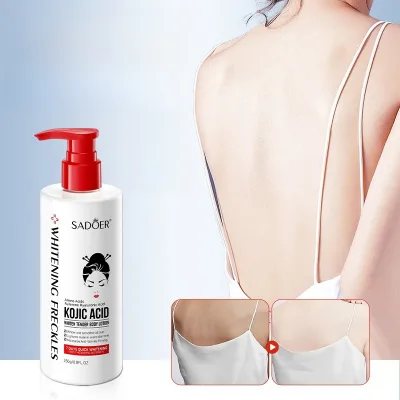
Find 30 verified suppliers offering organic kojic acid body lotion for skin whitening, moisturizing, and nourishing needs. Compare prices ranging from 0.66 to 6.5 USD, MOQs from 1 to 1000 units, and formulations featuring turmeric, vitamin C, and herbal ingredients for all skin types.
Key considerations
Products List


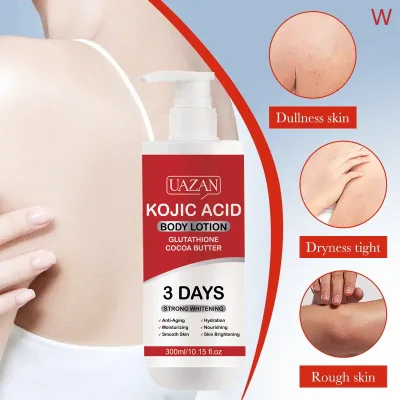


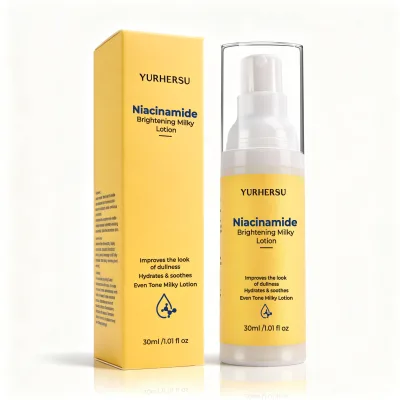
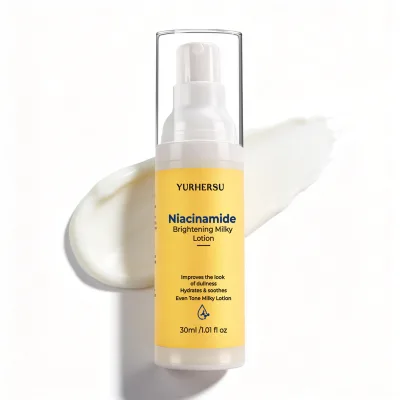
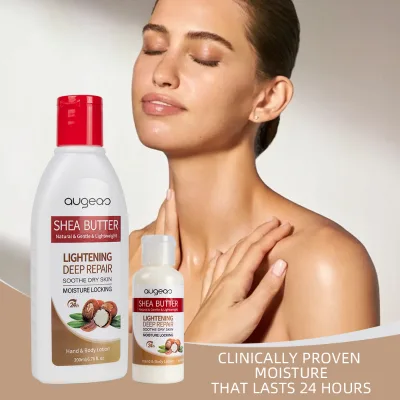

Comprehensive Sourcing Guide
Strategic Sourcing Guide for Organic Kojic Acid Body Lotion
The global demand for organic skincare solutions has driven a significant shift in B2B procurement strategies, particularly within the body care segment. Buyers seeking organic kojic acid body lotion must navigate a complex landscape where natural ingredients, efficacy claims, and regulatory compliance intersect. This guide provides a disciplined framework for sourcing these products, grounded in verified product attributes and industry standards. The focus remains on identifying reliable supply chains that deliver high-quality formulations without relying on unverified marketing claims. Understanding the specific chemical properties of kojic acid, combined with organic certification requirements, is essential for maintaining product integrity and meeting consumer expectations in the health and beauty sector.
Technical Specifications and Formulation Analysis
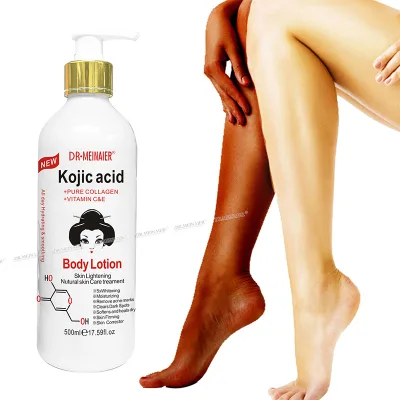
The core of any successful procurement strategy lies in a precise understanding of technical specifications. For organic kojic acid body lotion, the formulation must balance the whitening efficacy of kojic acid with the moisturizing properties of organic carriers. Based on observed product data, the target formulation typically includes ingredients such as Vitamin C, Hyaluronic acid, and various organic extracts. The presence of Vitamin E, Collagen, Jojoba Oil, Shea Butter, and Aloe is frequently noted in high-quality variants, suggesting a multi-functional approach that addresses hydration alongside skin brightening.
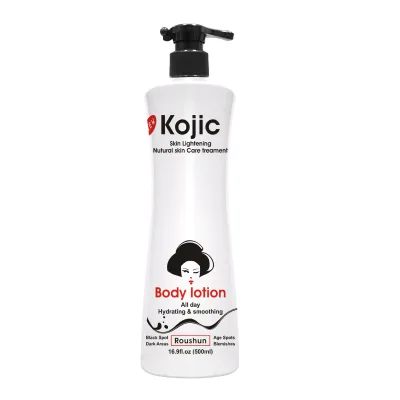
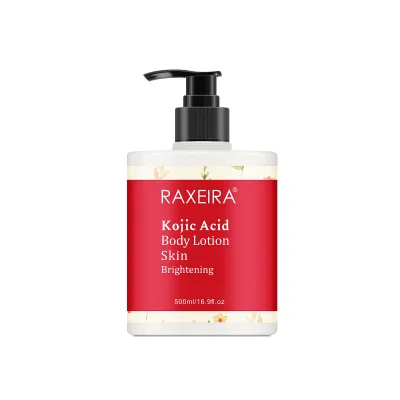
The physical attributes of the product are equally critical for logistics and shelf-life management. Standard single package sizes observed in the market range from compact units of approximately 15.8 x 5.8 x 5.8 cm to larger formats around 24 x 17 x 13 cm. Volume specifications vary, with common offerings including 250g and 450ml containers. The form is consistently identified as a lotion, designed for both day and night application. The texture and consistency are influenced by the inclusion of natural oils and butters, which also contribute to the product's sensory profile. Buyers should verify that the raw material ingredients align with specific organic standards, ensuring the absence of silicone and sulfates, which are often excluded in premium organic formulations.
| Attribute Category | Observed Specifications | Procurement Verification Point |
|---|---|---|
| Primary Active | Kojic Acid, Vitamin C, Turmeric | Verify concentration levels and stability in the formula. |
| Base Ingredients | Jojoba Oil, Shea Butter, Aloe, Oats | Confirm organic certification status for each component. |
| Packaging Size | 15.8x5.8x5.8 cm to 24x17x13 cm | Ensure packaging dimensions fit logistics constraints. |
| Volume/Weight | 250g to 450ml | Validate net weight accuracy against label claims. |
| Form | Lotion | Check viscosity and spreadability during sample testing. |
| Scent Profile | Lemon, Coconut, Herbal, Unscented | Confirm fragrance source is natural or certified synthetic. |
Compliance and Certification Verification
In the B2B sector, compliance is not merely a regulatory hurdle but a fundamental component of brand trust. When sourcing organic kojic acid body lotion, buyers must rigorously verify the certification status of the ingredients and the manufacturing facility. The product attributes indicate a strong emphasis on being "Herbal, Organic, Natural, Vegan, Cruelty-Free, Silicone-free, and Sulfate-free." However, the mere listing of these terms does not constitute proof of compliance. Buyers must request valid certificates from recognized bodies to substantiate these claims.
The origin of the product plays a significant role in compliance. Many suppliers are located in Guangdong, China, a major hub for cosmetic manufacturing. While this region offers robust supply chains, it requires careful vetting to ensure adherence to international safety standards. The "ODM" and "OEM" capabilities listed suggest that many suppliers offer private labeling, which shifts the compliance burden partially to the buyer. It is imperative to confirm that the private label product meets the specific regulatory requirements of the destination market, whether it be the United States, the European Union, or other regions with strict cosmetic regulations.
Furthermore, the "Cruelty-Free" claim requires specific documentation, such as Leaping Bunny certification or equivalent proof that no animal testing was conducted at any stage of development. Similarly, "Vegan" status must be verified to ensure no animal-derived ingredients, beyond the explicitly listed organic components, are present. Buyers should not assume that a product labeled "Organic" automatically meets the threshold of organic certification bodies like USDA or ECOCERT without explicit documentation.
Cost Drivers and Pricing Dynamics
The pricing of organic kojic acid body lotion is influenced by several dynamic factors, primarily the cost of raw materials and the complexity of the supply chain. The observed price range in the market spans from $0.66 to $6.50 USD, a wide variance that reflects differences in ingredient quality, packaging sophistication, and order volume. The lower end of the spectrum typically corresponds to bulk orders with minimal packaging or standard formulations, while the higher end often includes premium organic certifications, custom branding, and specialized active ingredient concentrations.
Minimum Order Quantity (MOQ) is another critical cost driver. The observed MOQ range extends from 1 to 1000 units. For small businesses or startups, an MOQ of 1 allows for sample testing and low-risk market entry, though the unit cost will be higher. Conversely, larger orders significantly reduce the per-unit cost, making them attractive for established brands looking to scale. The "Sample Free & Air Freight" option mentioned in some listings can further impact the total landed cost, as air freight is generally more expensive than sea freight. Buyers must calculate the total cost of ownership, including shipping, duties, and potential customs delays, rather than focusing solely on the unit price.
Additionally, the "25 Years Experience" attribute of certain suppliers suggests a potential premium for established manufacturers who can guarantee consistency and reliability. While experience is valuable, it should not be the sole determinant of cost. Buyers should compare the cost per unit against the specific value proposition, such as the inclusion of rare organic extracts or advanced preservation systems that extend shelf life.
Typical Applications and Market Segmentation
Organic kojic acid body lotion serves a diverse range of applications, catering to various consumer demographics and skin concerns. The product is designed for "Daily Leaning" use in commercial settings such as hotels, spas, and travel environments, as well as for personal home use. The target audience spans "All Ages," including babies, children, and adults, although specific formulations may be tailored for adult skin types, particularly those with sensitive skin.
The primary applications include skin whitening, lightening, and spot removal, driven by the efficacy of kojic acid in inhibiting melanin production. The inclusion of moisturizing and nourishing ingredients like Vitamin E and Shea Butter addresses the need for hydration, making the product suitable for dry or aging skin. The "Anti-Wrinkle" and "Skin Revitalizer" features indicate a secondary market segment focused on anti-aging and skin rejuvenation.
| Application Segment | Key Benefits | Target Skin Type |
|---|---|---|
| Personal Care | Whitening, Moisturizing, Nourishing | All skin types, Normal, Sensitive |
| Commercial Spa | Refreshing, Exfoliating, Relaxing | All skin types |
| Travel & Hotel | Compact, Quick Absorption, Unscented | All skin types |
| Anti-Aging | Firming, Spot Removal, Anti-Wrinkle | Adult, Mature Skin |
The versatility of the product allows for positioning in multiple market segments. For instance, a "Lemon" or "Coconut" fragrance variant may appeal to consumers seeking a refreshing, natural experience, while an "Unscented" option targets those with fragrance sensitivities. The ability to customize logos and offer private labeling further expands the application scope, enabling brands to create unique product lines that resonate with specific consumer preferences.
Supplier Evaluation and Selection Criteria
Selecting the right supplier is a critical step in the procurement process. The market features a mix of manufacturers offering ODM (Original Design Manufacturing) and OEM (Original Equipment Manufacturing) services, allowing buyers to choose between ready-made products and fully customized solutions. When evaluating potential suppliers, buyers should prioritize those with a proven track record, such as the "25 Years Experience" attribute noted in some listings. However, experience alone is insufficient; it must be corroborated by tangible evidence of quality control and customer satisfaction.
Key evaluation criteria include the supplier's ability to provide samples, their flexibility in handling MOQs, and their transparency regarding ingredient sourcing. The "Customized Logo Accept" feature indicates a willingness to collaborate on branding, which is essential for private label strategies. Buyers should also assess the supplier's location, with Guangdong, China, being a prominent hub. While proximity to manufacturing facilities can reduce lead times, buyers must ensure that the supplier adheres to international shipping standards and provides reliable logistics support.
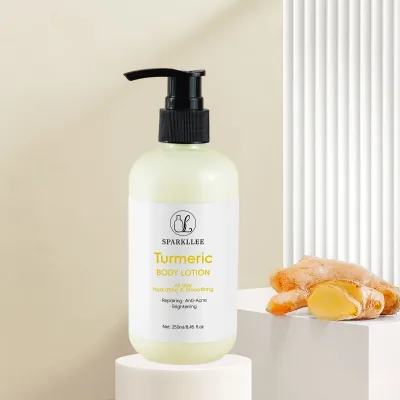
Furthermore, the range of product colors and variants, such as "Vitamin C Body Lotion," "Turmeric Body Lotion," and "Retinol Body Lotion," suggests a supplier's capacity for diverse formulation. This versatility can be advantageous for buyers looking to expand their product portfolio. However, buyers must verify that the supplier maintains consistent quality across all variants and does not compromise on the organic integrity of the ingredients to meet volume demands.
Quality Control and Long-Term Procurement Strategy
Ensuring consistent quality is paramount for maintaining brand reputation in the competitive skincare market. Quality control measures should be integrated into the procurement process from the initial sample stage through to mass production. Buyers should request detailed test results for microbial contamination, heavy metals, and stability under various conditions. The "Anti-Bacterial" and "Medicated" features listed in some products highlight the importance of rigorous safety testing, especially for products claiming therapeutic benefits.
Long-term procurement considerations involve building a sustainable relationship with suppliers who can scale production as demand grows. The "ODM / ODM" capability suggests that suppliers can adapt to changing market trends, such as the increasing demand for "Natural scent" or "Herbal" formulations. Buyers should establish clear communication channels to discuss potential formulation changes, packaging updates, or regulatory adjustments.
Additionally, the "Single gross weight" of 0.330 kg to 0.550 kg per unit is a critical factor for logistics planning. Accurate weight data ensures that shipping costs are calculated correctly and that inventory management systems are optimized. Buyers should also consider the shelf life of the product, which is influenced by the preservation system used. Organic formulations often require specific preservatives to maintain efficacy without compromising the "Natural" claim, making this a key area for technical verification.
In conclusion, sourcing organic kojic acid body lotion requires a meticulous approach that balances technical specifications, compliance, cost, and supplier reliability. By adhering to the guidelines outlined in this guide, buyers can navigate the complexities of the market and secure high-quality products that meet the evolving needs of consumers. The focus on verified attributes and disciplined evaluation ensures that procurement decisions are grounded in evidence, minimizing risk and maximizing value in the long term.
FAQs
What ingredients are commonly found in organic kojic acid body lotion?
Common ingredients include kojic acid, vitamin C, hyaluronic acid, and organic extracts like aloe and jojoba oil. These formulations often exclude silicone and sulfates to maintain organic integrity while providing moisturizing and whitening benefits for all skin types.
Can buyers request custom logos and private labeling for these products?
Yes, many manufacturers offer customized logo acceptance and private label services for organic kojic acid body lotion. This allows brands to create unique product lines while ensuring the formulation meets specific organic and safety standards required for their target markets.
What is the typical price range for bulk orders of this lotion?
The observed price range spans from 0.66 to 6.5 USD per unit depending on order volume and specifications. Lower prices typically apply to bulk orders with standard packaging, while higher costs reflect premium organic certifications and custom branding requirements.
Which certifications should buyers verify for organic and cruelty-free claims?
Buyers must verify valid certificates for organic, vegan, and cruelty-free status from recognized bodies like USDA or ECOCERT. Documentation is essential to prove the absence of animal testing and ensure ingredients meet strict organic standards rather than relying on marketing labels alone.
How do packaging sizes vary for organic kojic acid body lotion?
Packaging sizes typically range from compact units of 15.8 x 5.8 x 5.8 cm to larger formats around 24 x 17 x 13 cm. Volume specifications commonly include 250g or 450ml containers, with the product form consistently identified as a lotion suitable for daily use.
Where are the primary manufacturing locations for these organic lotions?
Primary manufacturing locations are often in Guangdong, China, a major hub for cosmetic production. Buyers should verify that suppliers in this region adhere to international safety standards and provide reliable logistics support for their specific destination markets.